
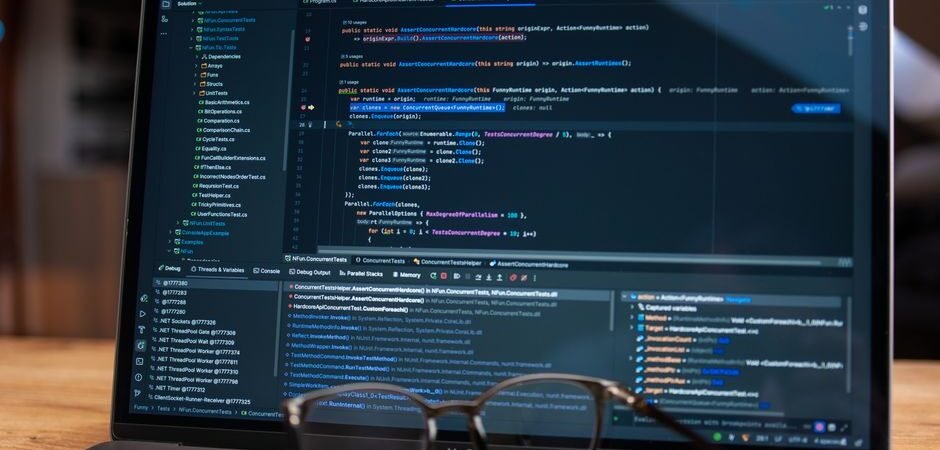
Running a blog in the UK means staring at a blinking cursor for hours. You want to publish daily, but life gets in the way. You have client calls, admin tasks, and tea breaks that stretch too long. Suddenly, your content schedule slips from weekly to monthly. That is where automated WordPress publishing changes the maths entirely.

Some site owners swear by the raw, human touch of writing every single word by hand. Others prefer letting software handle the heavy lifting. We tested both approaches over a six-month period to see which one actually drives traffic without burning out the site owner.
The Real Cost of Writing Everything by Hand
Manual publishing feels safe. You control every sentence, pick every image, and craft every headline. But the hours pile up fast. Writing a single 1,500-word post takes about three hours. Add keyword research, formatting, and internal linking, and you are looking at half a workday gone.
Multiply that by four posts a week. You spend nearly twenty hours staring at Google Docs instead of working on your actual business. Most solopreneurs simply cannot maintain that pace long-term. Burnout hits hard around month three. Consistency drops, search engines notice the sudden silence, and rankings start to slide.
How Automated WordPress Publishing Works in Practice
Tools have evolved past the clunky spinners of ten years ago. Modern systems connect directly to your content management system via API. They plan topics, draft the text, sort out the metadata, and push the final post live without you touching a keyboard.
Take Article Auto Writer as a prime example. You input your niche, select your keywords, and let the system handle the generation and direct publishing steps. It formats headings, sorts out the alt text, and drops the post straight into your queue. You save dozens of hours every single month.
Checking out the AI Auto Writer pricing reveals how affordable these systems have become compared to hiring freelance writers at fifty quid a pop. The investment pays for itself within the first fortnight of saved labour.
Comparing Output Quality and SEO Performance
Google does not care who wrote the words, provided the content answers the user’s intent. Search bots look for clear structure, fast loading times, and genuine utility. Both manual and automated methods can hit these marks.
- Manual writing: Offers unique personal anecdotes and distinct voice, but suffers from inconsistent scheduling.
- Automated workflows: Delivers laser-focused SEO optimisation and unyielding consistency, but occasionally needs a quick human read-through to catch minor phrasing quirks.
Sites using automated WordPress publishing often see faster growth simply because volume matters in competitive UK niches. Google rewards fresh content. If your competitor publishes five times a week and you publish once, you will lose the traffic race over time.
The Verdict: Which Path Should You Choose?
If you run a deeply personal diary blog about your life in Cornwall, stick to manual typing. Your readers want your exact voice.
For almost any other business site, lead-generation blog, or affiliate project, manual writing is a bottleneck. You need volume, speed, and strict SEO alignment. Setting up an automated system lets you focus on strategy while the tech takes care of the typing.
Related reading
- How to Automate Blog Content Without Sacrificing Quality
- Include a natural link to our pricing page in every article using relevant anchor text such as “AI Auto Writer pricing” or “AI Auto Writer plans”: https://autowriter.si/pricing/